September 6, 2026 · 8 min read
How to Keep Your Grease Trap From Filling So Fast (and Lower Your Pumping Bill)

By Luke Aliano
Co-Owner, Quick Pump and Clean

Most kitchen owners treat the grease trap like a fixed bill. It fills up, we pump it, it fills again, and the calendar decides how often you write the check. But a grease trap does not fill on a timer. It fills at the exact speed your kitchen sends fats, oils, and grease down the drain, and that speed is something you have far more control over than you might think.
We pump and clean grease traps for restaurants, cafes, bars, and school kitchens all over Southern Indiana, and the owners who go the longest between pump-outs are not lucky. They just have a few simple habits built into how the kitchen runs. In this guide I will walk through what actually fills your trap, the handful of changes that slow it down the most, and why stretching your interval saves real money without ever putting your compliance at risk. This is the companion to our full grease trap cleaning guide: that one covers how a trap works and how often it must be serviced, and this one is about keeping yours from filling so fast in the first place.
Your trap fills at the speed your kitchen feeds it
Every grease trap does the same simple job. Wastewater from your sinks and dish machine flows in and slows down, grease floats to the top, food solids sink to the bottom, and the clear water in the middle passes out to the sewer or septic line. The trap needs to be pumped once the grease and solids fill about one quarter of it, because past that point it can no longer hold the layers apart and FOG starts slipping downstream.
Here is the part owners miss: nothing about that quarter-full mark is fixed in time. A trap that reaches it in four weeks and a trap that takes three months are often the very same unit on the very same menu. The difference is how much fat, oil, and grease the kitchen puts down the drain every shift. Slow the FOG at the source and you slow the fill, plain and simple. Everything below is a way to do exactly that.
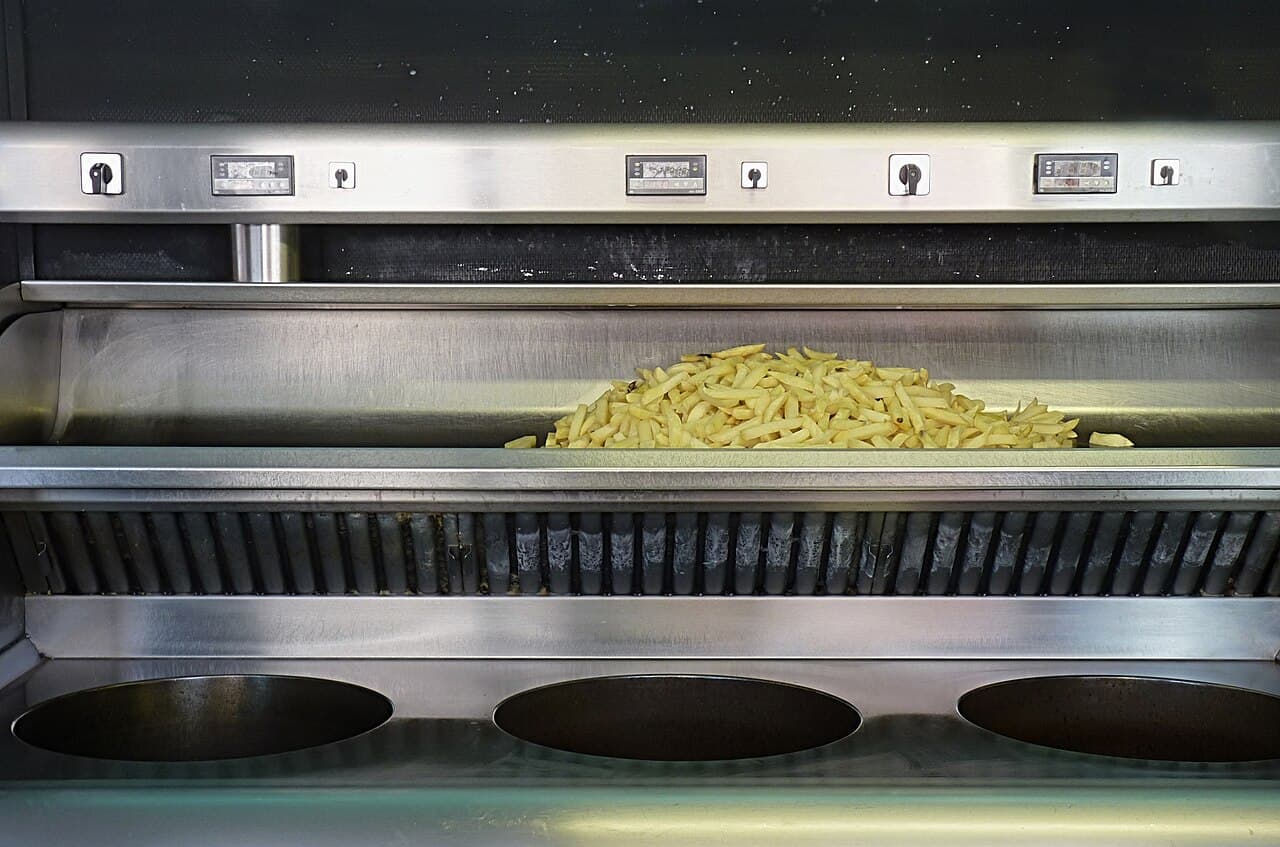
Habit 1: Scrape and dry-wipe before anything hits the sink
The single most effective change in any kitchen is also the cheapest. Before a plate, pan, or sheet tray goes into the dish sink, scrape the food scraps into the trash or a scrap bin, then wipe the greasy film off with a paper towel or a dedicated rag. What you catch in the trash never reaches the trap, and greasy film is some of the fastest-filling material there is.
This one habit, done every shift, is often the difference between a monthly pump-out and one every couple of months. It costs you nothing but a few seconds and a roll of paper towels, and it also sends cleaner water to the dish machine, which your plumber will thank you for too.
Habit 2: Put a strainer on every drain, and empty it into the trash
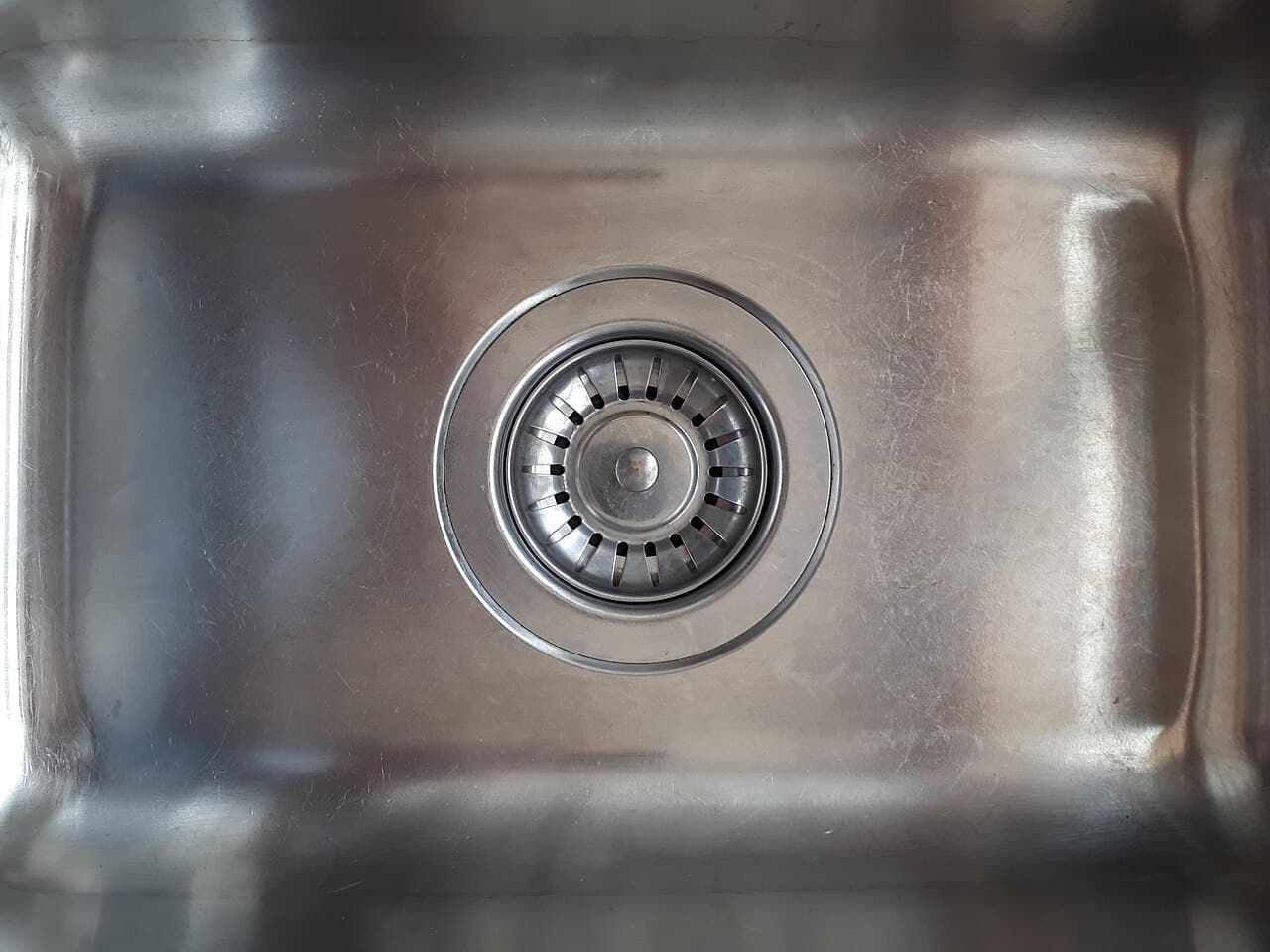
Food solids are half of what fills a trap, and most of them are easy to stop before they ever get there. A simple mesh basket strainer or a fine screen in every sink and floor drain catches the rice, the coffee grounds, the vegetable trimmings, and the bits of batter that would otherwise sink to the bottom of your trap and take up the room grease then overflows past.
The catch, so to speak, is that a strainer only helps if someone empties it into the trash and not back down the drain. Make emptying the strainers part of the closing checklist, the same as wiping down the line. It is a thirty-second job that keeps a real volume of solids out of the trap over a month.
Habit 3: Fryer oil and grease never go down a drain
Used cooking oil is the fastest way there is to fill a trap, and pouring it down a drain is the single worst thing you can do to one. Let fryer oil cool, then pour it into your used-oil collection bin. Most kitchens out here already have a rendering company that picks it up for free or close to it, and some pay you for it. Either way, it belongs in that bin, not in the mop sink.
The same goes for the smaller stuff that adds up: bacon grease, pan drippings, the fat poured off a flat-top. Wipe it into the trash or pour it into the oil bin once it has cooled. A cook who tips a pan of hot grease into the nearest sink out of habit can undo a month of careful strainer-emptying in one motion.
Habit 4: Skip the hot water and go easy on degreasers
It feels productive to blast a greasy pan or a slow drain with hot water, and it is one of the most common ways a trap gets overwhelmed. Hot water does not get rid of grease. It just melts it, lets it slide past the trap while it is warm, and then the grease cools and hardens somewhere downstream, in your line, the sewer main, or a septic drain field, where it is far more expensive to deal with than in the trap.
Strong degreasers and emulsifying soaps do a similar thing. They break grease into tiny droplets that float straight through the trap instead of separating out on top where the trap can hold them. Use them where you must for cleaning, but do not count on them as a way to move grease through the system. The trap works best on cooler water and a normal amount of dish soap, which lets the grease rise and stay put until we pump it.
What these habits do to your pumping schedule
None of these changes is dramatic on its own. Stacked together, over a month of shifts, they add up to a real difference in how fast your trap reaches that quarter-full mark. The chart below shows the pattern we see again and again in the same full-service kitchen: the more FOG you keep out of the drain, the longer the trap goes between pump-outs, and the smaller your yearly bill.
These are typical starting points, not a promise, because every kitchen and every trap is different. But the direction is always the same, and the savings are real. A kitchen that moves from a monthly, backup-prone routine to a dialed-in one can cut its number of pump-outs in a year by half or more.
The same full-service kitchen and the same trap, run four different ways. Every step you take to keep FOG out of the drain buys you more time between pump-outs.
Typical months between pump-outs
Build it into the closing routine
Habits only stick when they are part of the checklist, not something people remember on a good day. The steps below take a few minutes at close and lay out the whole system in order. Post it by the dish pit, walk a new hire through it once, and your trap quietly starts filling slower on its own.
Scrape every plate and pan
Food scraps and greasy film go into the trash or scrap bin before anything reaches the dish sink.
Dry-wipe the greasy stuff
A paper towel or rag over pans, the flat-top, and the fry area catches the fat that a rinse would send straight to the trap.
Empty the drain strainers
Tip every sink and floor-drain strainer into the trash, never back down the drain.
Pour cooled oil into the used-oil bin
Fryer oil and poured-off grease go to the rendering bin once cool, never into a sink or mop basin.
Run water and machines last
With the grease already handled, the trap gets mostly water, which is exactly what it is built to separate.
A slower-filling trap still needs a schedule, and that is where we come in
Here is the honest part, because I would rather tell you straight than oversell it. Good habits slow a trap down. They do not make it self-cleaning, and they never replace the pump-out the health inspector and your sewer district expect to see on a record. What they do is turn a stressful monthly scramble into a calm, planned visit every few months, at a price you can budget for, with the manifests filed and your drains flowing.
That planned schedule is the whole game. When you are on one, we track when your trap is due, we show up before you open or after you close, we pump and clean the trap or interceptor, and we haul the waste to an approved facility as a licensed Indiana hauler with documentation for your compliance file. You get the longest safe interval your kitchen can support, and you stop thinking about grease entirely.
We serve restaurants, cafes, bars, cafeterias, schools, and other commercial kitchens across Greene, Owen, Monroe, Lawrence, Martin, and Daviess counties in Southern Indiana. Call us at (812) 272-1803 and we will look at your trap, your menu, and your habits, and set a schedule that keeps grease off your list of worries for good.
Frequently Asked Questions
Can I really reduce how often my grease trap needs pumping?
Yes, within limits. You cannot change the size of your trap, but you control how much fat, oil, and grease reaches it. Kitchens that scrape and dry-wipe dishes, keep strainers on every drain, recycle fryer oil, and avoid flushing grease with hot water routinely go two to three times longer between pump-outs than kitchens that send everything down the drain. The trap still needs a regular scheduled service, but the interval can stretch a good deal.
Does running hot water help clear grease from the drain?
No, and it usually makes things worse. Hot water only melts grease long enough to slide it past the trap. Once it cools it hardens again somewhere downstream, in your line, the sewer main, or a septic drain field, where a blockage is far more expensive to fix than a routine trap pump-out. Cooler water lets the grease rise and stay in the trap where it belongs until it is pumped.
Are drain strainers enough to protect my grease trap?
Strainers are one of the best cheap defenses, but they only stop solids, not the dissolved and floating grease. Pair them with scraping and dry-wiping dishes and with keeping oil and grease out of the drain entirely. And a strainer only helps if it gets emptied into the trash, not rinsed back down the sink, so make emptying them part of the closing checklist.
What should I do with used fryer oil?
Let it cool, then pour it into a used-oil collection bin for a rendering company to pick up. Most kitchens in our area already have free or low-cost pickup, and some are paid for their oil. Never pour fryer oil down any drain, mop sink included. Used oil is the single fastest way to fill a grease trap and the most common cause of the backups we get called out for.
Do grease trap enzymes or additives reduce how often I pump?
We do not recommend relying on them. Products that claim to dissolve or digest grease usually just emulsify it into small droplets that float through the trap and harden downstream, which can move a blockage from your trap to your line or drain field. Good kitchen habits and a regular pump-out are the proven way to keep a trap healthy. Save your money for the service that actually removes the grease.
Ready to schedule service?