August 12, 2026 · 8 min read
Does a Garbage Disposal Hurt Your Septic System?
By Gregory Aliano
Owner, Quick Pump and Clean
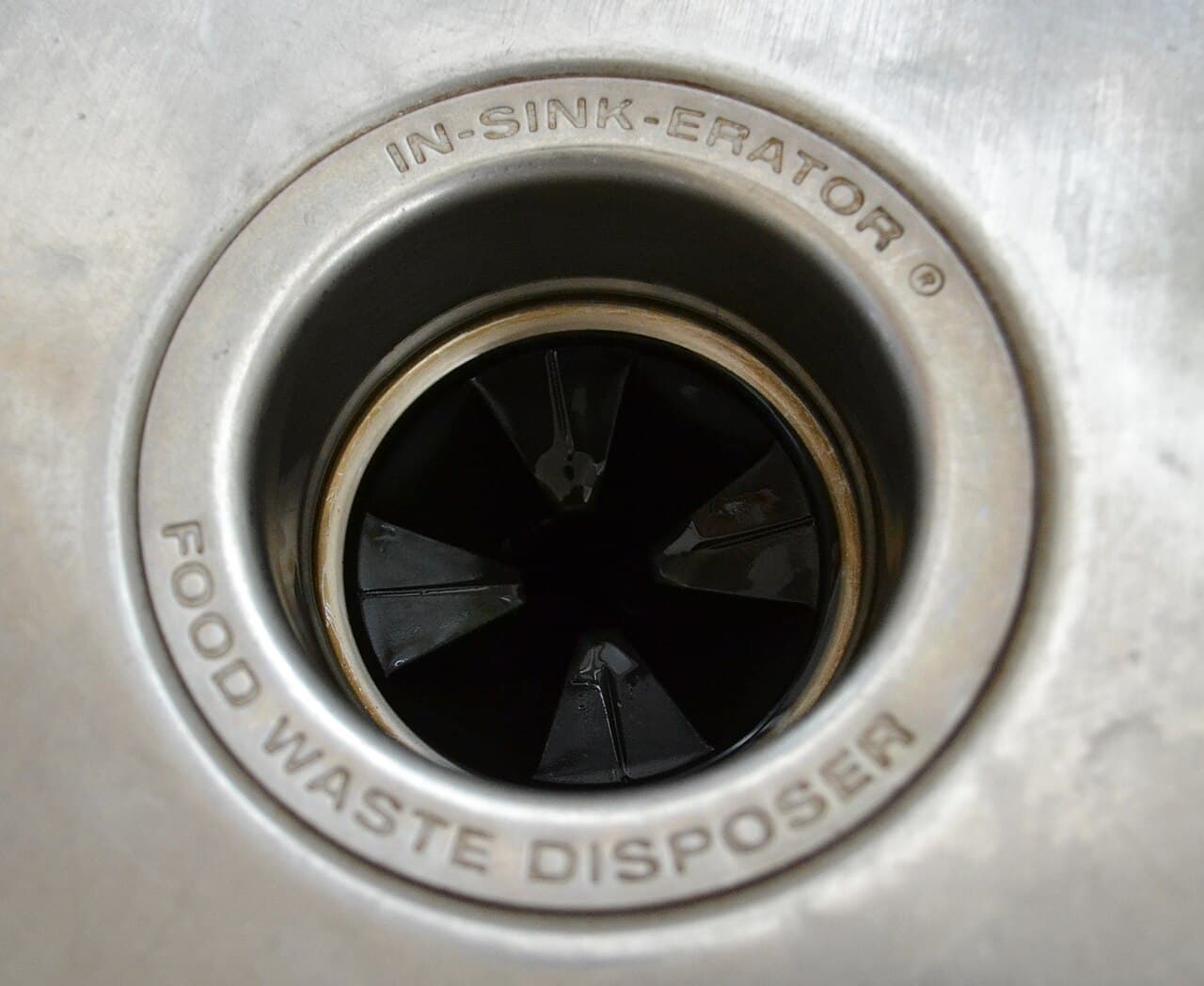
It is one of the most common questions we hear from folks who are new to septic living: is my garbage disposal quietly ruining my tank? It is a fair thing to wonder. On city sewer, a disposal sends food scraps off to a treatment plant and you never think about it again. On septic, everything that goes down the drain stays on your own property, so it makes good sense to ask where all that ground-up food ends up.
Here is the short version, the same answer I would give a neighbor standing over an open lid: a disposal will not destroy a well-kept septic system, but it does change how you care for it. Once you understand the one thing it actually does, you can decide how to use it, and you can keep both the convenience and a healthy tank. Let us walk through it.
The short answer, and the part worth reading
No, a garbage disposal will not ruin a healthy septic system. Plenty of homes on septic run one for years without trouble. But a disposal does change one real thing, and it is worth understanding: it sends more solids into your tank, and more solids means the tank fills a little faster than it otherwise would.
Think of your septic tank as having a budget. Everything that does not break down settles to the bottom as a sludge layer, and a pump-out is what resets that budget back to zero. A disposal simply spends the budget quicker by adding ground food to the pile. It does not break anything, it just moves your next pump-out a little closer. Once you see it that way, the whole question gets easy to manage.
Where the food actually goes
Here is the part that surprises people. A disposal grinds food into small pieces, but grinding is not the same as digesting. Those little bits still have to be broken down by the bacteria in your tank, and food scraps break down slowly. Until they do, they sit in the sludge layer at the bottom, taking up room that would otherwise have stayed empty for years.
The bacteria in a healthy tank are steady workers, but there are only so many of them and they can only do so much at a time. Send them a regular stream of ground food on top of the normal household load, and the sludge layer simply grows faster than it used to. The chart below shows how that speeds up the calendar on your next pump-out.
A disposal does not harm the tank, it just fills it faster. The more you run it, the sooner the sludge layer reaches the point where a pump-out is due.
Relative solids added to the tank each year (higher means you pump sooner)
The scraps that cause the most trouble
Not all food is equal in the eyes of a septic tank. A few common items are especially stubborn, and knowing them helps you use a disposal wisely. Grease and cooking oil sit right at the top of the list. Poured down warm they seem harmless, but they cool and harden into a scum layer, and a disposal does nothing to change that. Coffee grounds and eggshells come next. They grind up fine, but they do not really break down, so they settle straight into the sludge.
Fibrous and starchy foods round out the list. Celery, corn husks, onion skins, and potato peels are all tough and stringy, while pasta, rice, and bread swell up with water. None of them are a disaster in small amounts, but they are the scraps most worth keeping out of the drain. A trash can or a compost pile handles them far better than your tank ever will.
How to keep the disposal and keep your tank happy
Good news: you do not have to rip out a disposal you love. A few easy habits let you keep using it while barely touching your pump-out schedule. The idea is simple, so only the scraps that truly cling to a plate ever go down the drain, and plenty of cold water carries them cleanly out to the tank instead of leaving them behind in your pipes.
Keep grease, coffee grounds, eggshells, and big fibrous or starchy loads out of it, and treat the disposal as a helper for small bits rather than a second trash can. Do those few things and the disposal becomes a light guest at your tank instead of a heavy one. And you can skip the special septic additives sold to offset a disposal. A healthy tank already grows all the bacteria it needs, and the real protection is a pump-out on a sensible schedule, not a bottle from the store shelf.
Scrape first
Plates and pans go into the trash or compost before they reach the sink. Only the bits that cling to the dish go down the drain.
Cold water on
Run a strong stream of cold water before, during, and for a few seconds after you run the disposal to carry the ground food out to the tank.
Short bursts, small loads
Grind a little at a time. The disposal is there for the scraps left on a plate, not for clearing a full bowl of leftovers.
Keep the hard stuff out
No grease, coffee grounds, eggshells, or big fibrous and starchy loads. Those belong in the trash or the compost pile.
How to tell your tank is filling faster than it used to
If you have run a disposal for years without a second thought, your tank has quietly been keeping score. The signs that it is getting full are the same whether a disposal is involved or not: drains that gurgle or run slow across the whole house, a faint odor near the tank or drain field, or a patch of grass that suddenly grows greener and thicker right over the tank. Any of those is your cue to get the lid off and take a look.
The honest way to know for sure is a pump-out, where we can see the sludge and scum layers with our own eyes and tell you exactly how full the tank was. If a disposal has been pushing your solids up faster than expected, we will say so, and we will help you settle on a pumping interval that fits the way your household actually lives. No guessing, and no scare tactics, just a straight read on where things stand.
Where we come in
The bottom line is a reassuring one. A garbage disposal is not the enemy of your septic system. It simply asks you to pump a little more often and to be a little choosier about what goes down the drain. Manage those two things and you get to enjoy the convenience without any worry hanging over it.
When it is time for that pump-out, or if you just want an honest read on how full your tank is and how your disposal is affecting it, we are glad to help. We will pump the tank, check the inlet and outlet baffles, rinse your effluent filter for free, and give you a straight recommendation on how often to come back based on your real household. That is the same advice we would give a neighbor over an open lid.
We serve Greene, Owen, Monroe, Lawrence, Martin, and Daviess counties across Southern Indiana. Give us a call and we will bring the truck out, take a look, and keep your system running the way it should for years to come.
Frequently Asked Questions
Do I really need to pump more often if I have a garbage disposal?
Usually yes, a little. A disposal adds ground food to the solids your tank already collects, so the sludge layer builds faster. Many homes without a disposal pump every 4 to 5 years, while regular disposal use can move that closer to every 2 to 3 years. The exact interval depends on your tank size and household, and we are happy to recommend one after a pump-out.
Are "septic-safe" garbage disposals real?
Some disposals are marketed as septic-friendly, and a few add a small chamber that injects enzymes. In practice, the biggest factor is still how you use the disposal and how often you pump, not the model on the counter. A regular disposal used with good habits is kinder to your tank than a fancy septic model used carelessly. Put the savings toward your next pump-out instead.
Can a garbage disposal ruin my drain field?
Not on its own, but it can contribute if the tank is neglected. When solids build up faster than they are pumped, some can escape toward the drain field, which is the expensive part of the system to replace. Your effluent filter and regular pumping are the protection against that. Keep up with both and a disposal will not put your drain field at risk.
Ready to schedule service?