October 3, 2026 · 9 min read
What a New Septic System Really Costs in Southern Indiana

By Gregory Aliano
Owner, Quick Pump and Clean
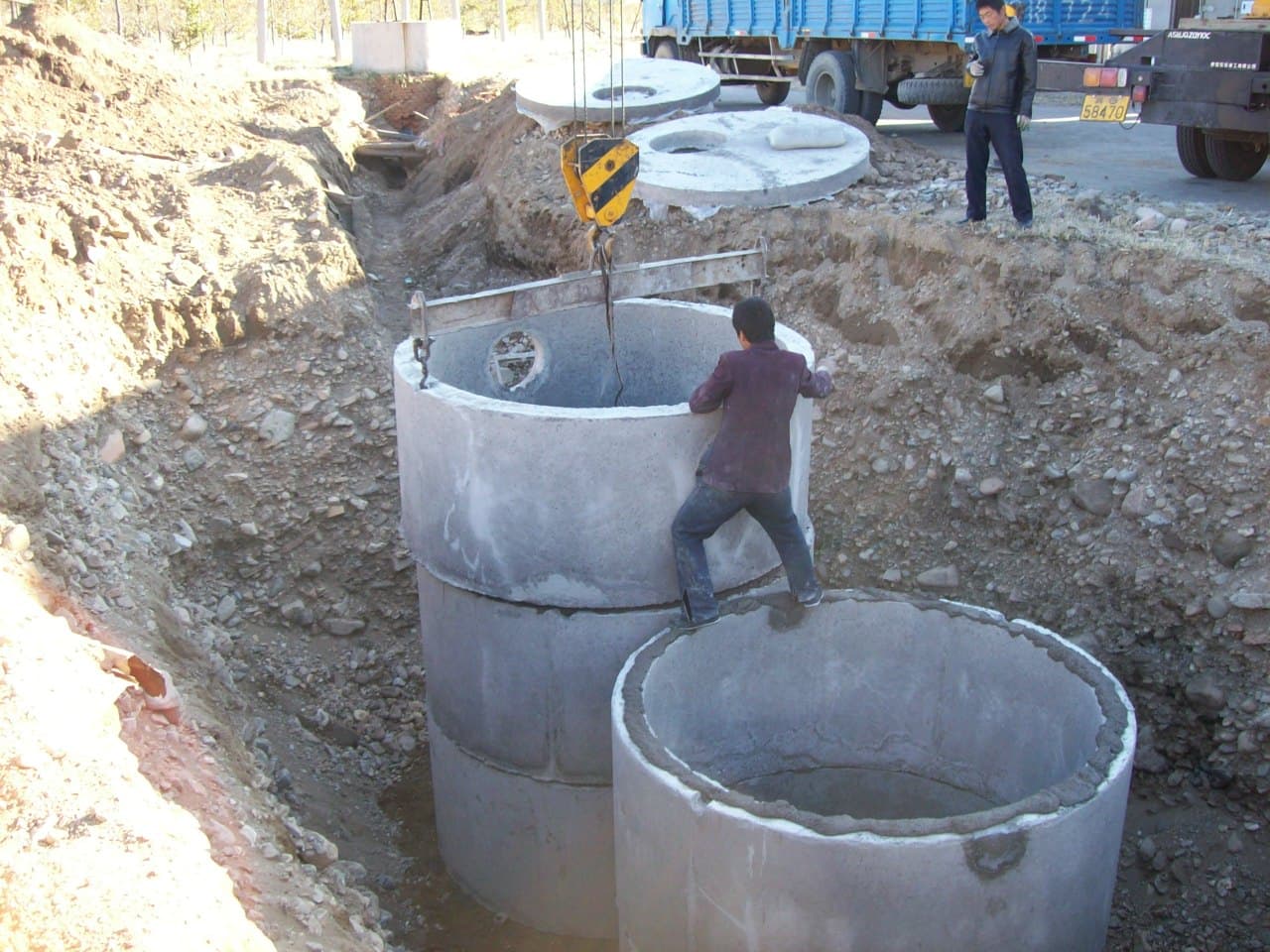
There are few sentences a homeowner dreads more than the one where someone tells them they need a new septic system. It sounds like a blank check, and the numbers people repeat to each other range so widely that it is hard to know what is real. I have installed a lot of systems over the years, and I would rather give you the honest picture than let you fill in the blank with worst-case rumors.
The truth is that a new system is a real investment, usually somewhere from about $6,000 to $15,000 for a conventional setup in our area, and more for a lot that needs a special design. But that range is not a mystery. It is the sum of a handful of specific parts and a few things about your property, and once you see how it breaks down, the number stops feeling like a guess. This guide covers where the money goes, what moves the price, and how the work actually happens.
When a new system is actually on the table
First, the reassuring part: needing a whole new system is far less common than needing a repair or a pump-out. Most of what looks alarming, a backup, a soggy spot, a slow drain, turns out to be a full tank or a fixable part, not a dead system. A new install is usually one of three situations: you are building on a lot with no system, you are adding bedrooms that outgrow the old system, or your existing drain field has genuinely failed after decades of service.
That last one is the real reason most people are here, and it is worth knowing that a failed drain field is the expensive end of septic, the part worth protecting your whole life so you rarely reach it. If you are not sure whether you are looking at a repair or a replacement, that is exactly the kind of thing we will tell you honestly before you spend a dollar on a new system.
Where the money goes
A new septic system is really five things bundled together, and it helps to see them separately. There is the paperwork and design, the tank itself, the drain field, the excavation and labor to put it all in the ground, and the final inspection and grading. The chart below shows the typical dollar range for each piece on a conventional system in our area.
The drain field is almost always the biggest single piece, because it is the most material and the most digging, and it is the part that does the real work of returning treated water to the soil. The tank, by comparison, is a smaller line item than most people expect. Add it all up and a straightforward conventional system tends to land in that $6,000 to $15,000 range, with the exact number set by your soil and your site.
Typical dollar ranges for the pieces of a conventional system in our area. The drain field, highlighted, is usually the largest single piece. A tough lot that needs a mound or aerobic design runs higher.
Typical cost for each piece (USD)
What drives the price up or down
Two houses on the same road can get very different quotes, and it usually comes down to the soil. Every new system starts with a soil test, sometimes called a perc test, that measures how well your ground absorbs water. Ground that drains well takes a standard, less expensive drain field. Ground that drains poorly, heavy clay or a high water table, needs a larger field or an engineered design, and that is where the price climbs.
The other big factor is the type of system your lot requires. A conventional gravity system is the most affordable and the most common. A mound system, built up above poor soil, and an aerobic system, which adds a powered treatment step, both cost more to install and to maintain, but on the wrong lot they are the only thing that will pass. Size matters too: a bigger home with more bedrooms needs a larger tank and field, sized to the number of people the house can hold.
Access and distance play a smaller role that still adds up. A tank set close to the driveway on an open lot is quicker than one that means threading equipment around outbuildings, mature trees, and a septic that has to run uphill. None of these are hidden. A proper quote walks you through each one so you can see why your number is what it is.
How an installation actually goes
A new system is a real project, but it is a predictable one, and knowing the order of operations takes a lot of the worry out of it. From the first soil test to the last pass of the rake, most residential installs move through the same steps, and a good stretch of the timeline is simply waiting for the county permit rather than digging.
The steps below are how a conventional install typically goes. The digging and setting, once we start, usually wraps up in a few days on a straightforward lot, weather and inspection scheduling permitting.
Soil test and system design
A perc test measures how your ground drains, which sets the size and type of system your lot needs.
County permit
We submit the design and wait for approval before any ground is broken. This is often the longest step.
Excavation
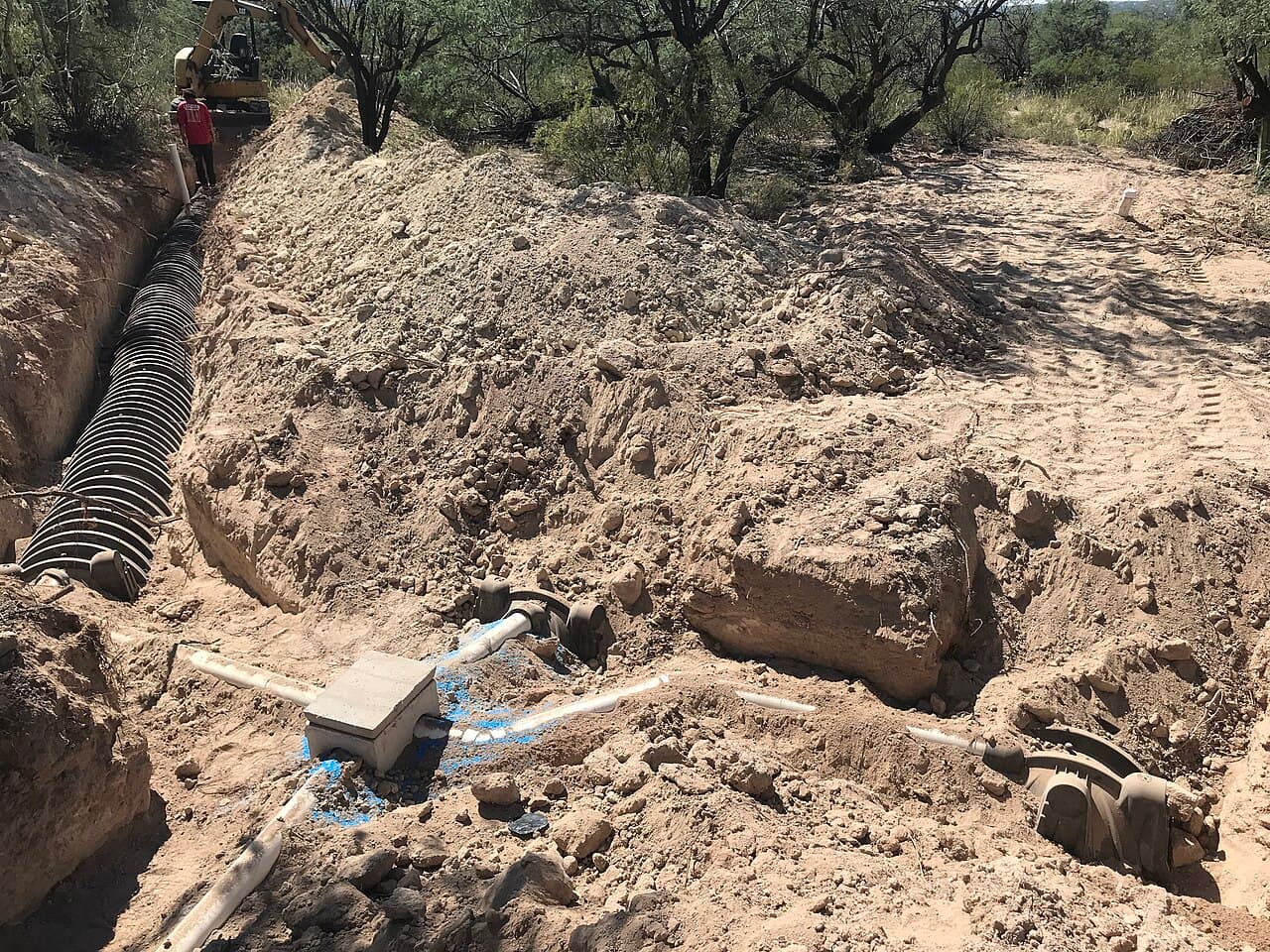
We dig the hole for the tank and the trenches for the drain field.
Set the tank
The tank is placed, leveled, and connected to the line from the house.
Lay the drain field
Distribution box, pipe or chambers, and stone go in to spread the treated water across the soil.
County inspection
An inspector confirms the system is built to code before it is covered.
Backfill and reseed
We cover everything, grade the yard, and leave it ready to grow back.
Protecting the investment so it lasts decades
The best thing about a new system is how long it lasts when you take care of it. A well-built conventional system, kept on a sensible pumping schedule, can serve a home for decades, and the concrete tank often outlives the drain field by a wide margin. The single habit that protects all of it is regular pumping, because it keeps solids from ever reaching the field, which is the expensive part you just paid to install.
So the day your new system goes in is the day to start protecting it. Keep grease, wipes, and harsh chemicals out of the drains, spread out heavy water use, and get on a 3 to 5 year pumping schedule. Do that, and the number you spent once becomes the last septic system a lot of homeowners ever need to buy.
Get an honest quote before you assume the worst
If someone has told you that you need a new system, get a second, honest look before you accept the biggest number. Plenty of the time, what looks like a failed system is a full tank or a repairable part, and we will tell you that plainly even though a repair is a smaller job for us than an install. And when a new system truly is the answer, you deserve a clear, itemized quote that shows exactly where every dollar goes.
We install and service septic systems across Greene, Owen, Monroe, Lawrence, Martin, and Daviess counties in Southern Indiana. Call us at (812) 272-1803 and we will come look at your lot, your soil, and your situation, and give you a straight answer about what your property actually needs.
Frequently Asked Questions
How much does a new septic system cost?
A conventional system in our area typically runs about $6,000 to $15,000 installed. The range is wide because the drain field, which is the biggest piece, is sized to your soil and your home. A lot with poor soil that needs a mound or aerobic system runs higher. A proper quote itemizes each part so the number is not a mystery.
Why is the price range so wide?
Because no two lots are the same. Soil that drains well takes a standard, less expensive drain field, while heavy clay or a high water table needs a larger or engineered field. Home size, system type, and site access all move the number too. The soil test is what turns the wide range into a firm quote for your property.
Do I really need a whole new system, or just a repair?
Often it is a repair, not a replacement. A backup or a soggy spot is usually a full tank or a fixable part, not a dead system. We will look honestly before recommending an install, even though a repair is a smaller job for us. Only a genuinely failed drain field truly requires replacement.
What is a perc test and why does it matter?
A percolation, or soil, test measures how quickly your ground absorbs water. It sets the size and type of drain field your lot needs and is required for the county permit. It is the first step of any new install because it is what determines a large part of the cost.
How long does a septic installation take?
The digging and setting usually take a few days on a straightforward lot. The longer part is often waiting for the county permit before work begins, plus scheduling the required inspection. From first soil test to reseeded yard, plan for a few weeks rather than a few days.
How long will a new system last?
A well-built conventional system that is properly maintained can serve a home for decades. A concrete tank often lasts 40 years or more, and a drain field commonly 20 to 30 years. Regular pumping every 3 to 5 years is the habit that protects the field and stretches the life of the whole system.
Ready to schedule service?