July 12, 2026 · 8 min read
What Can You Actually Flush? A Septic-Safe Guide to What Goes Down Your Drains
By Gregory Aliano
Owner, Quick Pump and Clean
A septic system is one of the most low-maintenance things you own, and that is genuinely good news. Treat it well and it will quietly handle everything your household sends its way for decades, without asking much from you in return. The whole secret comes down to a short, friendly list: what belongs down your drains, and what is better off in the trash.
We get asked some version of "is it okay to flush this?" on almost every job, and we love the question, because the folks asking are exactly the ones whose systems stay healthy. So here is the straight answer, the same one we would give a neighbor standing in the kitchen. A septic tank is a living system, and it thrives when you keep things simple. Let us walk through what that looks like in real life.
The one simple idea behind a happy septic system
Your tank runs on two things: a population of naturally occurring bacteria that digest waste, and the plain rule that only liquid should leave the tank and travel out to the drain field. Keep those two ideas in mind and almost every "can I flush this" question answers itself.
The bacteria are the workforce. They break down human waste and toilet paper naturally, and they keep the whole system moving along. The only things that get in their way are items that either do not break down or that harm the bacteria themselves. The best part is that the list of things to keep out is short and easy to remember, and the card below sorts it all at a glance.
Stick to the left column and the bacteria in your tank do the rest. Everything on the right belongs in the trash, not the drain.
The "flushable" wipe, and why the trash can is its friend
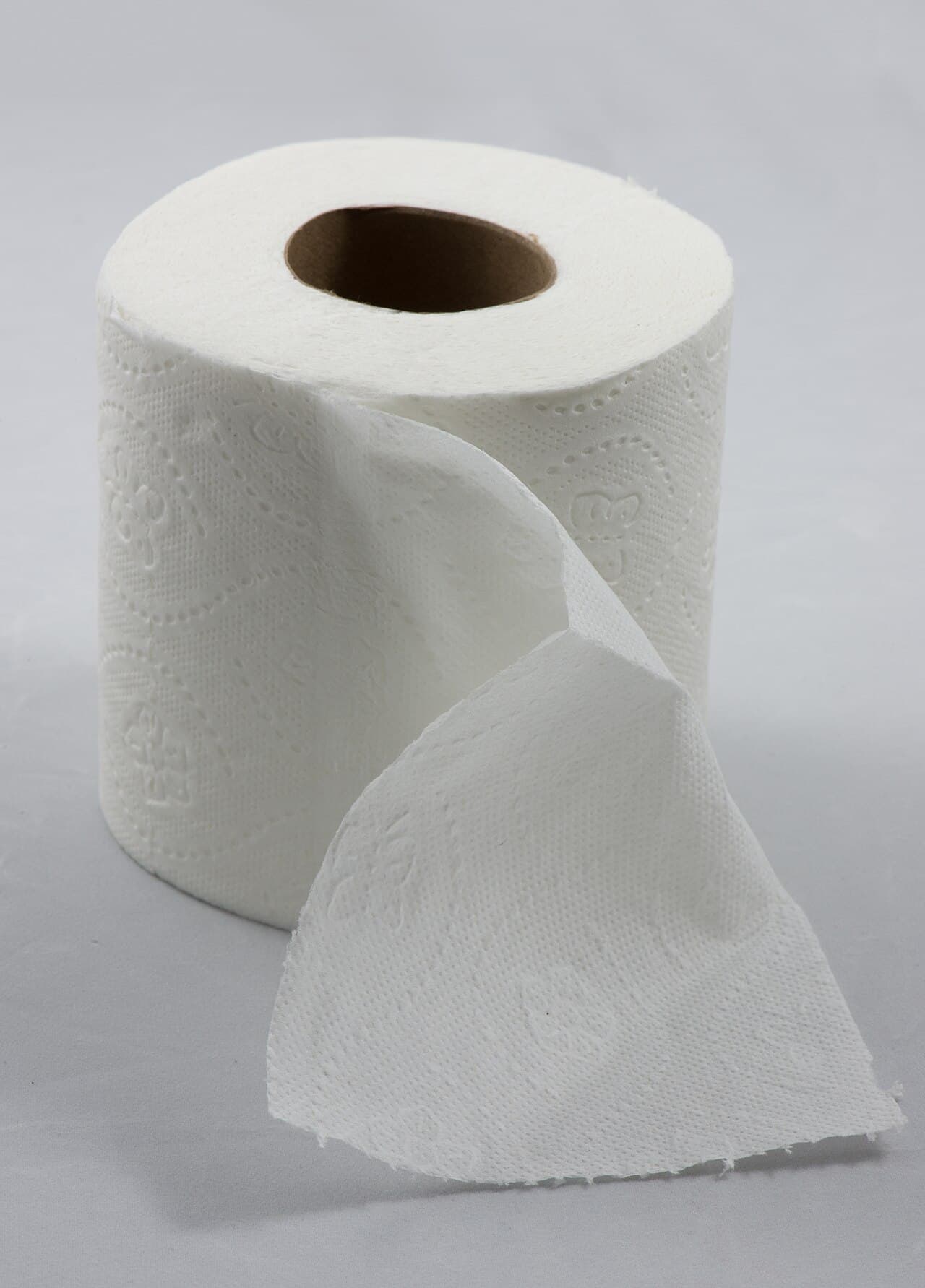
Let us start with the most common surprise. Wipes labeled "flushable" will indeed flush, in the narrow sense that they leave the toilet. The catch is what happens next. Toilet paper is designed to fall apart in water within minutes, but wipes are built to stay strong and hold together. In your tank, they do exactly that. They sink, they gather, and they wait.
The same is true for a whole family of everyday items: paper towels, facial tissue, feminine products, dental floss, and cotton swabs and balls. None of them dissolve. Each one just adds to the solid layer your tank holds until the next pump-out, so keeping them out is one of the easiest ways to stretch the time between visits. The chart below shows how differently these items behave once they land in the tank.
The fix is refreshingly simple. If it is not toilet paper or something your body produced, it goes in the wastebasket. A small trash can next to every toilet is the cheapest septic upgrade there is, and it does more good than any additive on the shelf.
Toilet paper is made to break apart in water. Most everything else simply waits in the tank until it is pumped out.
Relative time to break down (higher means it lingers)
Grease is the sneaky one, and it is easy to outsmart
Kitchen grease deserves its own moment, because it is the one that catches careful homeowners off guard. Poured down the sink as a warm liquid, cooking grease, bacon fat, and oil all seem harmless enough. Once they cool, though, they turn solid, cling to your pipes, and float at the top of the tank as a thick scum layer.
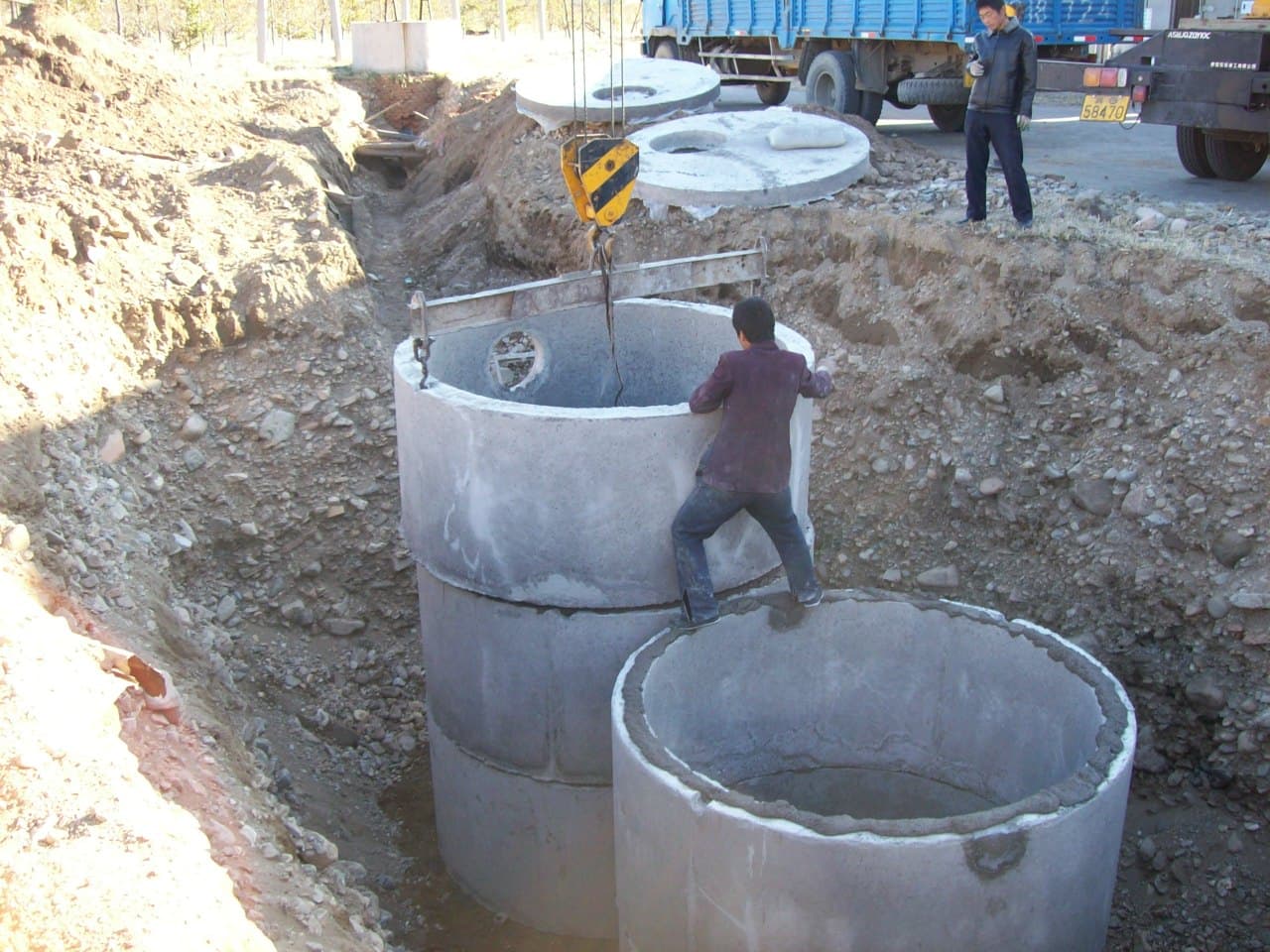
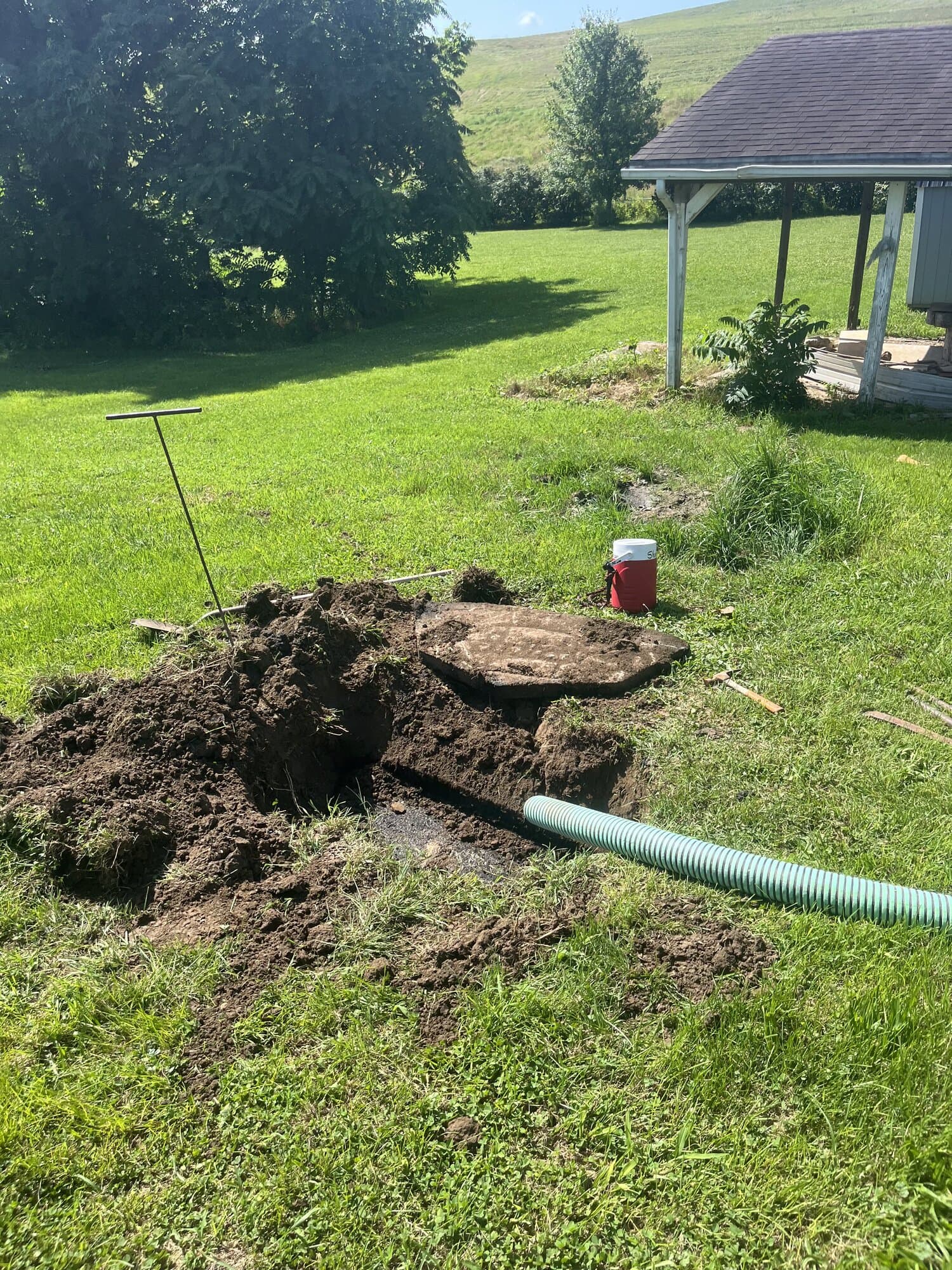
Over the years that layer builds, and on a tank that has gone a long time without service it can harden into a stubborn crust. That is exactly the kind of buildup we break up and remove with a crud-busting service, and it is completely avoidable. The photo here shows a tank opened up for a scheduled visit, the moment we get eyes on how those layers have been building.
Outsmarting grease is easy and a little satisfying. Let it cool in the pan, scrape it into an old can or jar, and toss it in the trash. Wipe greasy dishes with a paper towel before they hit the sink. Your pipes stay clear, your scum layer stays thin, and your tank happily goes longer between pump-outs.
What about cleaners, and do I really need additives?
Here is a reassuring one: normal, everyday household cleaning is perfectly fine for a septic system. Your tank is a hardy place, and the small amounts of dish soap, laundry detergent, and bathroom cleaner from ordinary use will not bother the bacteria at all. You do not have to tiptoe around your own home.
The two things worth going easy on are large volumes of bleach and harsh chemical drain openers, since a big slug of either can knock back the bacteria that do the work. Spacing out your laundry and using cleaners in normal amounts is all it takes. And when folks ask whether they need to buy monthly septic additives or enzyme packets, our honest answer is almost always no. A healthy tank already grows all the bacteria it needs. That money is better kept in your pocket for a routine pump-out, which is the one thing that truly protects the system.
The little filter that catches what slips through
Even with great habits, a small amount of fine material naturally works its way toward the tank outlet, and this is where one modest part quietly earns its keep. The effluent filter sits at the outlet and catches stray solids before they can reach the drain field, which is the expensive part of the system to replace. Keeping that filter clean is one of the highest-value, lowest-cost things you can do for your septic system.
The good news is that we clean it for free. When we are out for a pump-out, a quick rinse of the effluent filter is a courtesy we are always glad to include. It takes only a couple of minutes, and it helps protect the priciest part of your yard, the drain field, from the stray solids that even careful households send its way.
Where we come in
The best part of all this is how little it asks of you. Keep the wipes and grease in the trash, go easy on the harsh chemicals, and pump on a sensible schedule. Do those few simple things and your septic system will reward you with years of quiet, dependable service.
When it is time for that pump-out, or if you would simply like a friendly set of eyes on your system and an honest read on how it is doing, we are glad to help. We will pump the tank, rinse the effluent filter for free, and if a long-neglected tank needs it, break up any hardened buildup so it is back to full health. No pressure and no scare tactics, just the same straight advice we would give a neighbor.
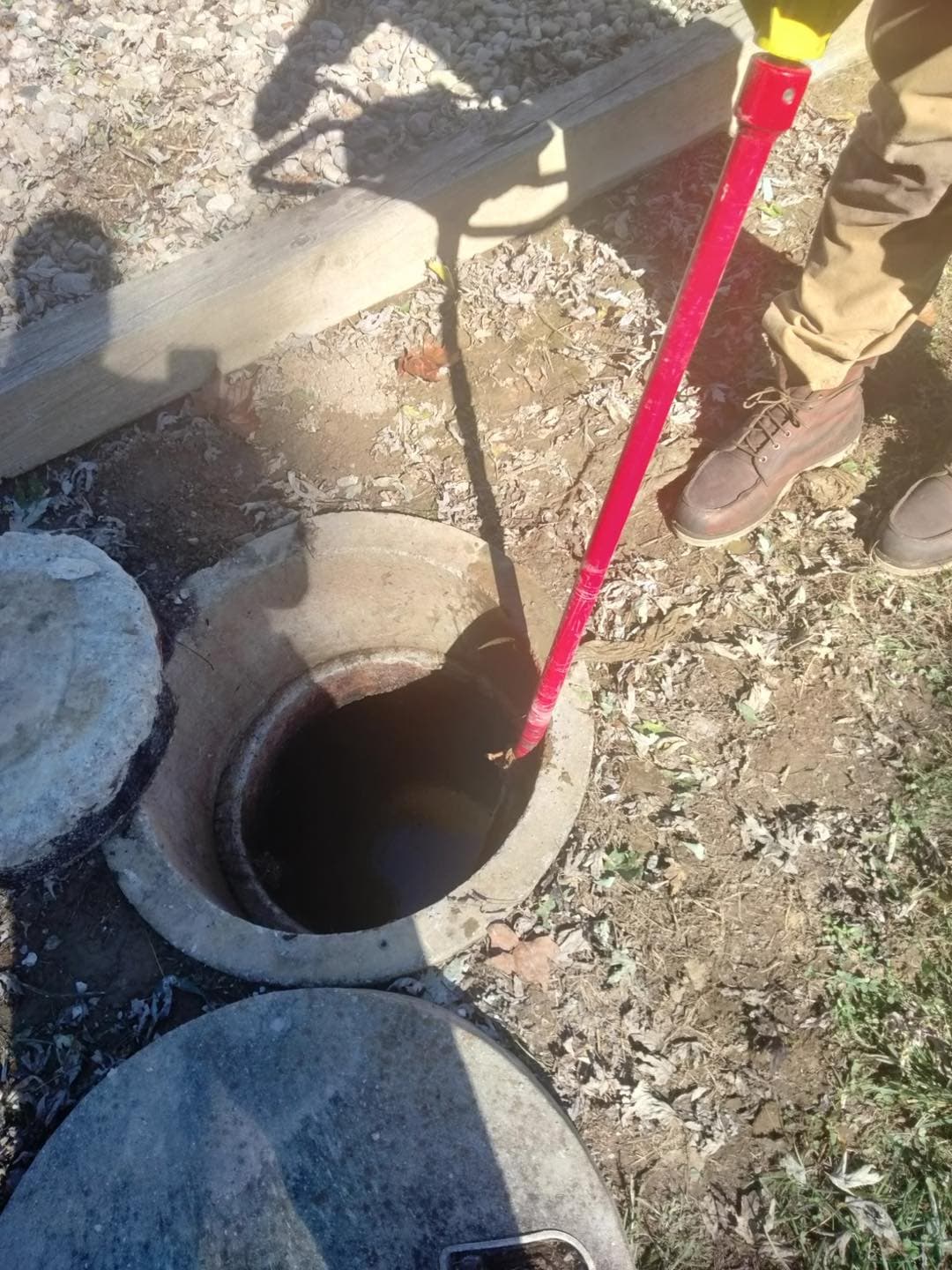
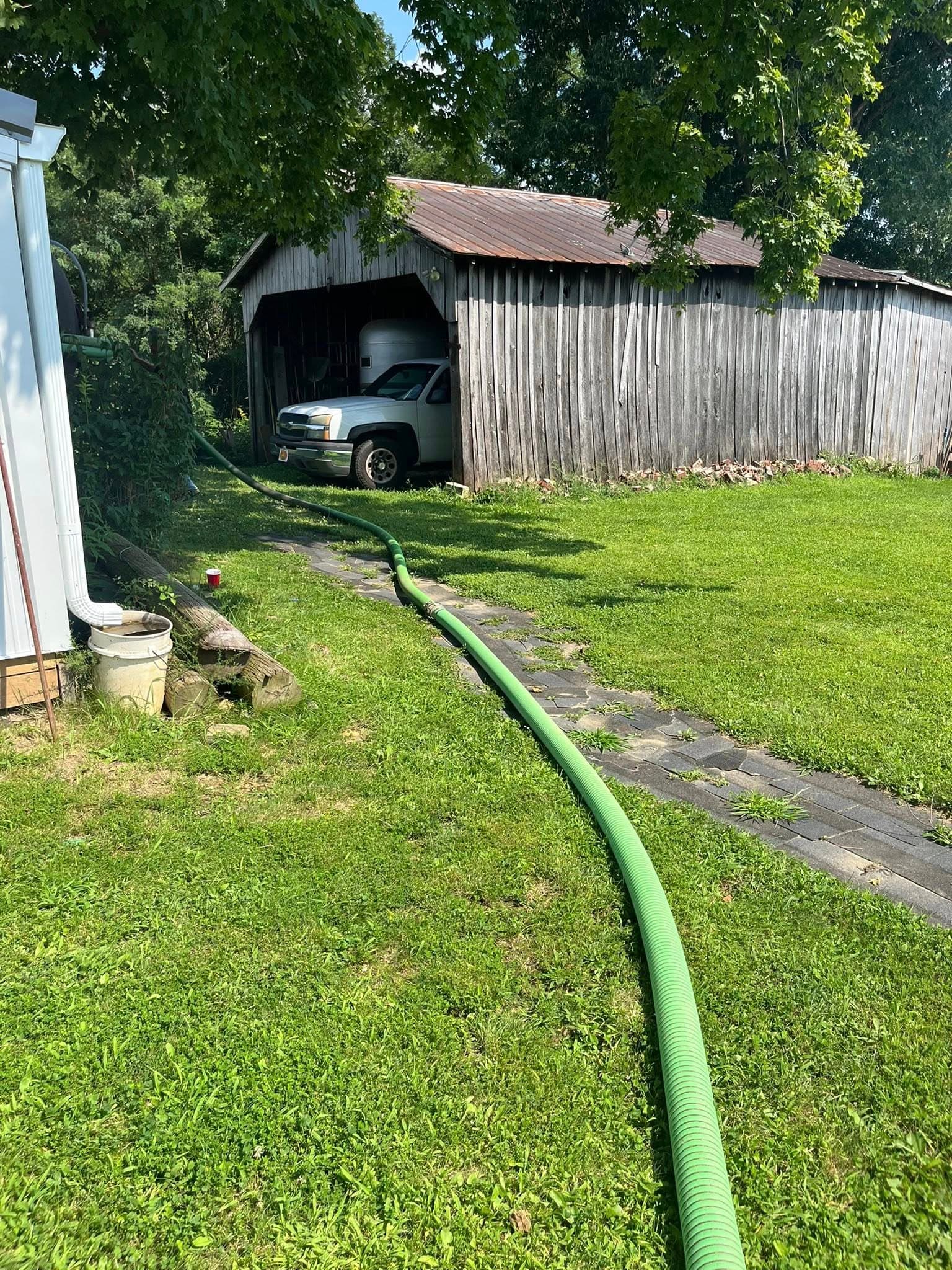
We serve Greene, Owen, Monroe, Lawrence, Martin, and Daviess counties across Southern Indiana. The photo here shows one of our hoses running out to a tank on a routine visit, the kind of easy, uneventful service call that keeps a good system running for the long haul.
Frequently Asked Questions
Are "flushable" wipes really safe for a septic tank?
It is best to keep them out. Despite the label, these wipes do not break down the way toilet paper does. They stay intact in the tank and add to the solids that have to be pumped out, so the wastebasket is the better home for them. The only things that should be flushed are human waste and toilet paper.
Do I need to add septic treatments or enzymes to my tank?
For the large majority of homes, no. A healthy septic tank naturally grows all the bacteria it needs to do its job. Regular pumping and being mindful of what goes down the drain protect your system far more than any additive. If you ever have a specific concern, we are happy to take a look and give you a straight answer.
Is it okay to use bleach and normal cleaners with a septic system?
Yes, in normal everyday amounts. Routine dish soap, laundry detergent, and household cleaners will not harm your tank. The only things to go easy on are large volumes of bleach and harsh chemical drain openers, which can set back the helpful bacteria. Spreading out laundry and using cleaners in typical amounts is all it takes.
Ready to schedule service?